Celebrating St.Blaise & Bromley Palace Park

Last Sunday there was a ceremony marking the connection between Saint Blaise, a 4th century christian bishop & martyr from Lower Armenia in modern Turkey, with this town centre park. He is celebrated as the patron saint of animals, healing of throats, infants, wool workers, etc, etc.
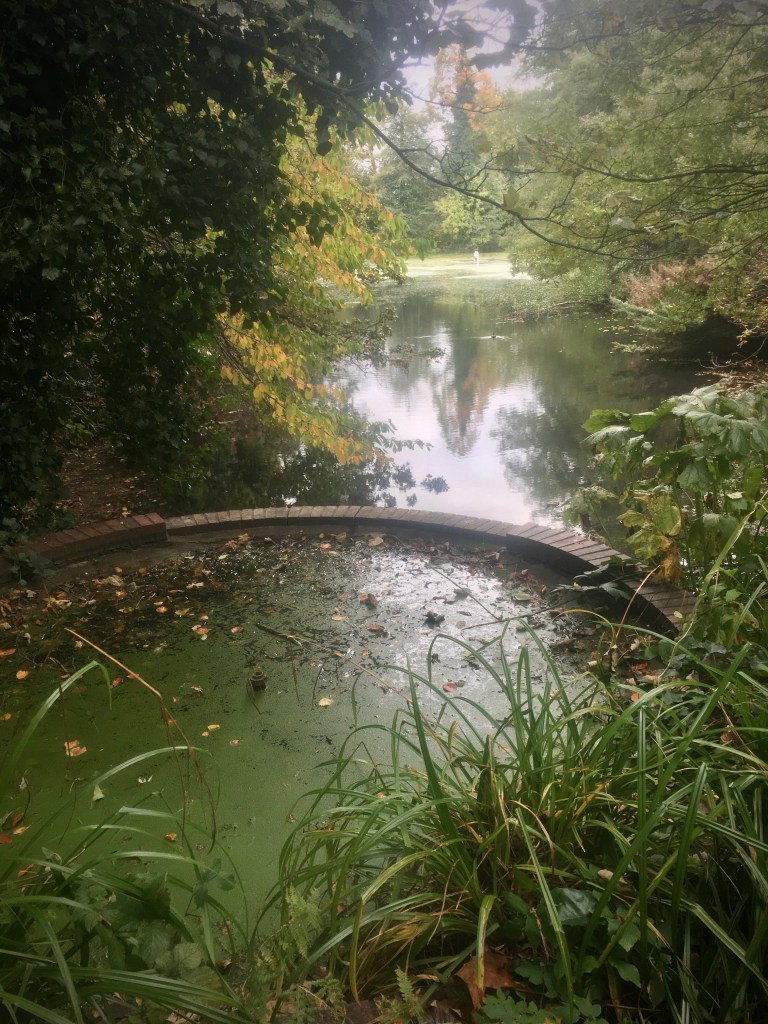
The above spring-fed chalybeate (iron traces) well was established a long time ago in the grounds of the Bishop of Rochester’s former palace – now Bromley Palace Park. To celebrate this an event to bless the current well by the Deacon at St.Joseph’s RC School, Bromley, along with the Mayor and Mayoress of Bromley in attendance, plus approximately 40 members of the public.
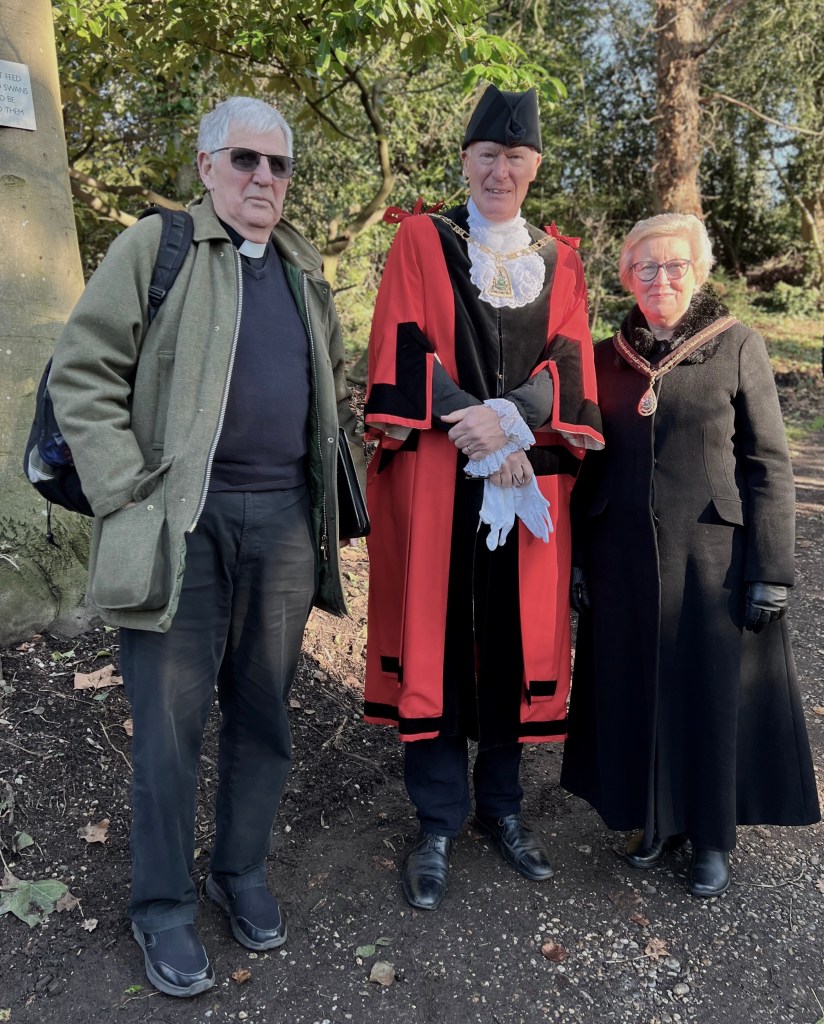
In opening the event the Mayor mentioned how Saint Blaise was connected to the healing properties of water and speculated how Bromley might have become a spa town, perhaps rivalling Royal Tunbridge Wells! However he would not recommend anyone drinking the spring waters today. He also pointed out the many wonders of this park which, while so quiet and rural feeling, was only some 400 metres from the busy High Street.
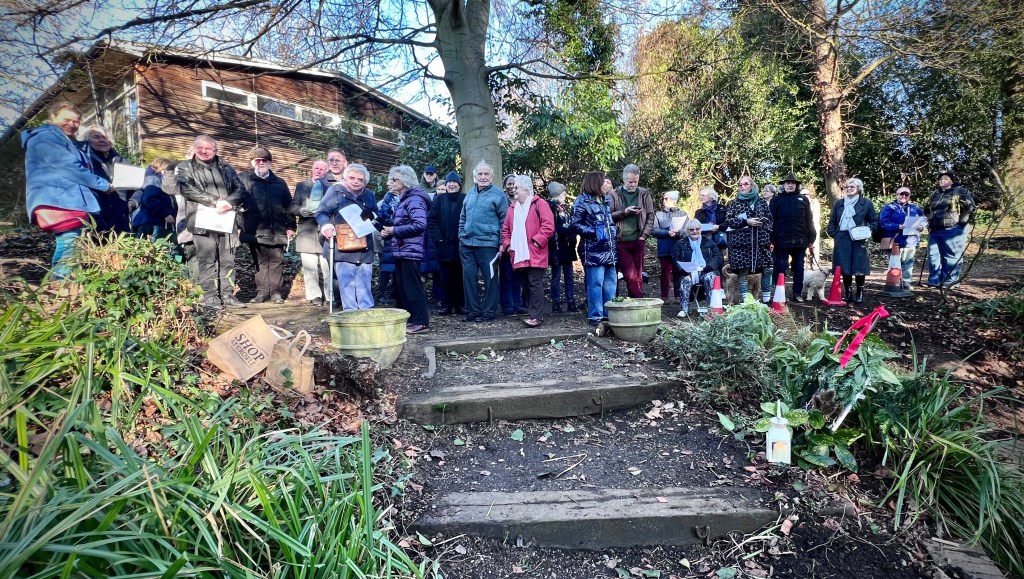
The Deacon of St. Joseph’s then conducted a brief service and official Blessing of the well and its associated spring, with the attendees taking part. After the ceremony people were encouraged to tour the park which, despite the sell-off of the northern parts of the site, was still fully open to the public. To find out more about this park and how you can help the ongoing efforts to restore the park please HERE.

Broom time has arrived on Martins Hill

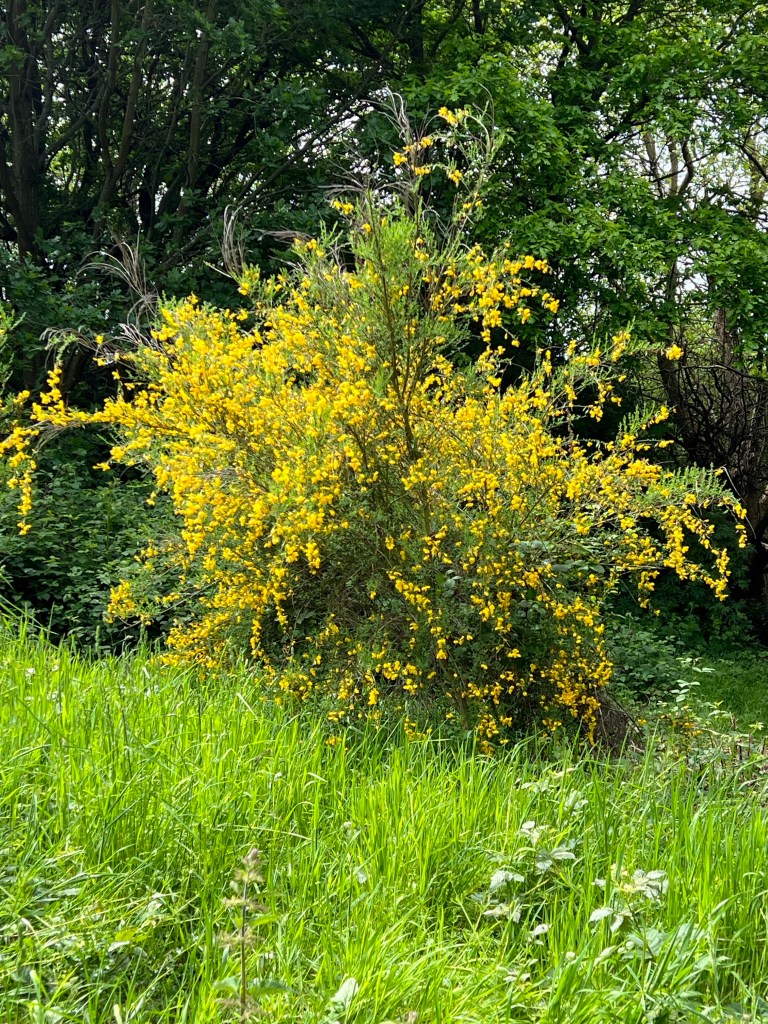
Broom in flower, Martins Hill

Along with the longer days and warmer weather the Broom, after which Bromley is named, comes into flower. For a few weeks we can enjoy it, unlike the common gorse which while spiky remains in flower for much of the year, and which is also found in this area.

Broom likes the acidic grassland of this site. While it vanished from here for a long time it was apparently reintroduced in the 1960’s

Sadly the broom is being encroached upon by rampant bramble, despite limited attempts to cut the latter back. The slightly better news is that young Broom plants are seeding elsewhere on these slopes. It would be very sad if this iconic plant disappeared from Bromley.

READ HERE to find out more about Martins Hill, the first public park in old Bromley, and what you can find there.

The Bromley Oak: a veteran still carrying on

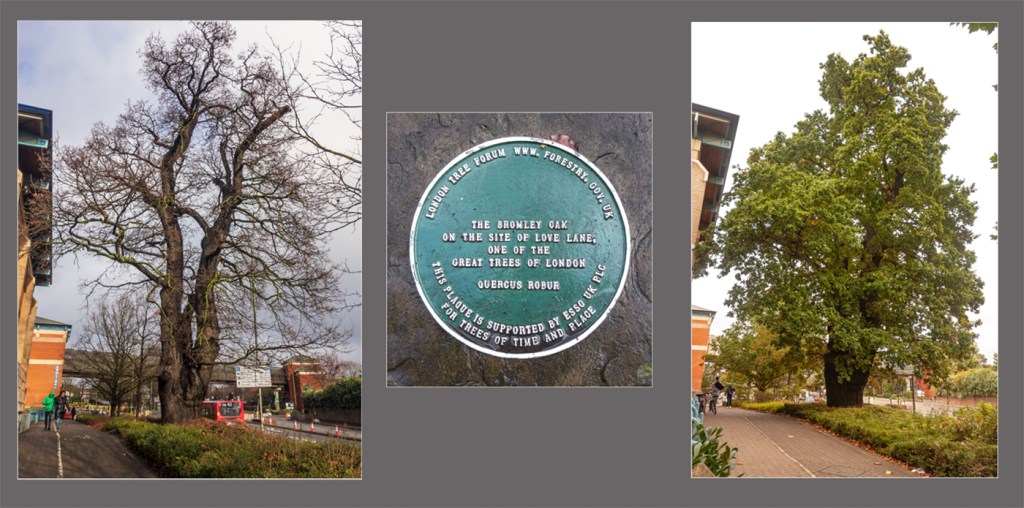
Not many people take much notice of this venerable Oak Tree (Quercus rubor), now isolated on Kentish Way. As a result of building the dual carriageway, and the immediately adjacent Pavilion Sports Centre, its branches and roots were severely reduced, resulting in its rather smaller current appearance. The girth of the twin trunks however gives a clue to its long life, probably of some 300 years. As the plaque mentions it is one of the “Great Trees of London”

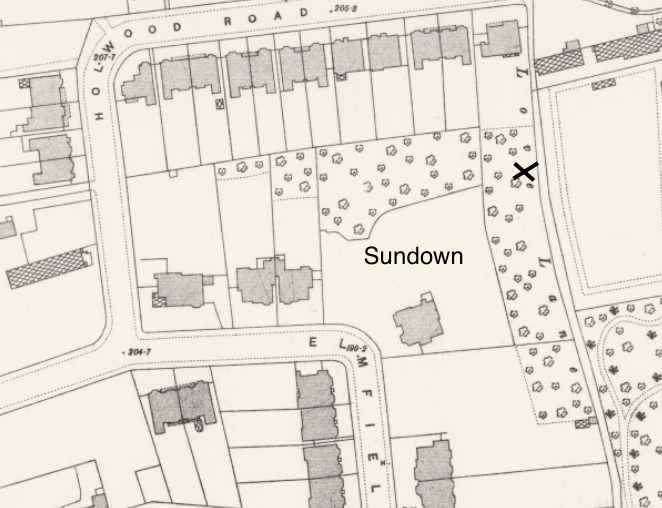
Originally part of the Bromley Lodge estate, in 1892 it was to be found in the garden of a large property in Elmfield Road called ‘Sundown’, occupied by a David Israel MA. Just over the wall from the garden was the historic Love Lane. The 1892 map below shows the site, with the approximate position of the Bromley Oak marked by a cross.

So the next time you walk past, please stop to look and admire it, a survivor of an older Bromley with the associated historic Love Lane.