What’s happening to the seasons?

With the impact of global warming the traditional seasons seem to be getting a bit mixed up, with plants in flower when we least expect them! This will seriously impact insects and other creatures dependent on them for their sustenance e.g. pollen/nectar. If they cannot either adapt to synchronise their food plants, or find alternatives, they will be seriously impacted. Also birds, etc which predate such insects and will also be impacted.

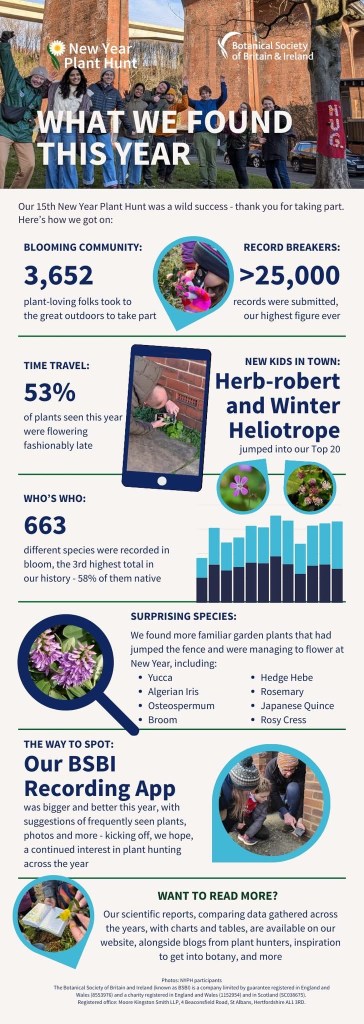
So it was therefore very relevant to take part in a survey on New Year Day to find any such plants in our local parks. Led ably by our very own Andrea Deri, this was part of the national New Year Plant Survey organised by the Botanical Society of Great Britain & Ireland. Nationally this year they found 663 different species in flower.
More locally our stalwart team, duly wrapped up, braved a cold New Year Day very slowly wandering around both Church House Gardens and Martins Hill carefully looking for this plants in flower, some of them very small, Our findings, once duly identified, were then uploaded to a dedicated BSBI database, so contributing to the national figures.
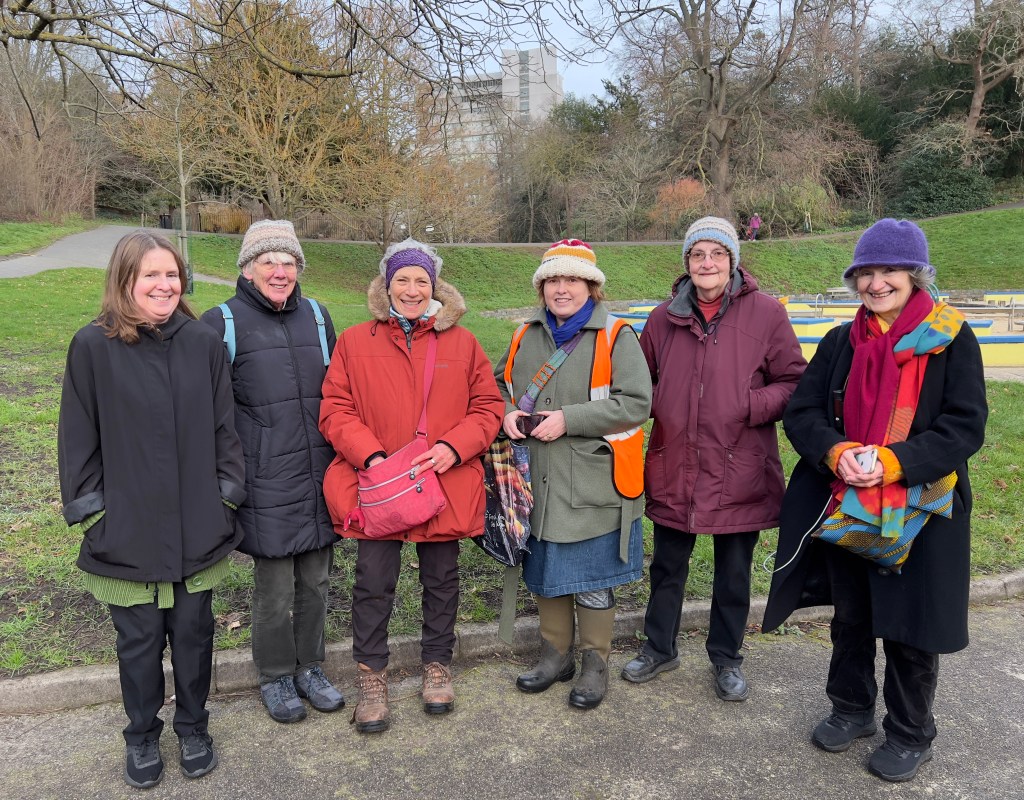
New Year Plant Hunt attendees

During our survey we found some 38 different species in bloom. The most surprising one perhaps was the Broom plant found in flower. This is normally expected to be blooming in late April/early May!
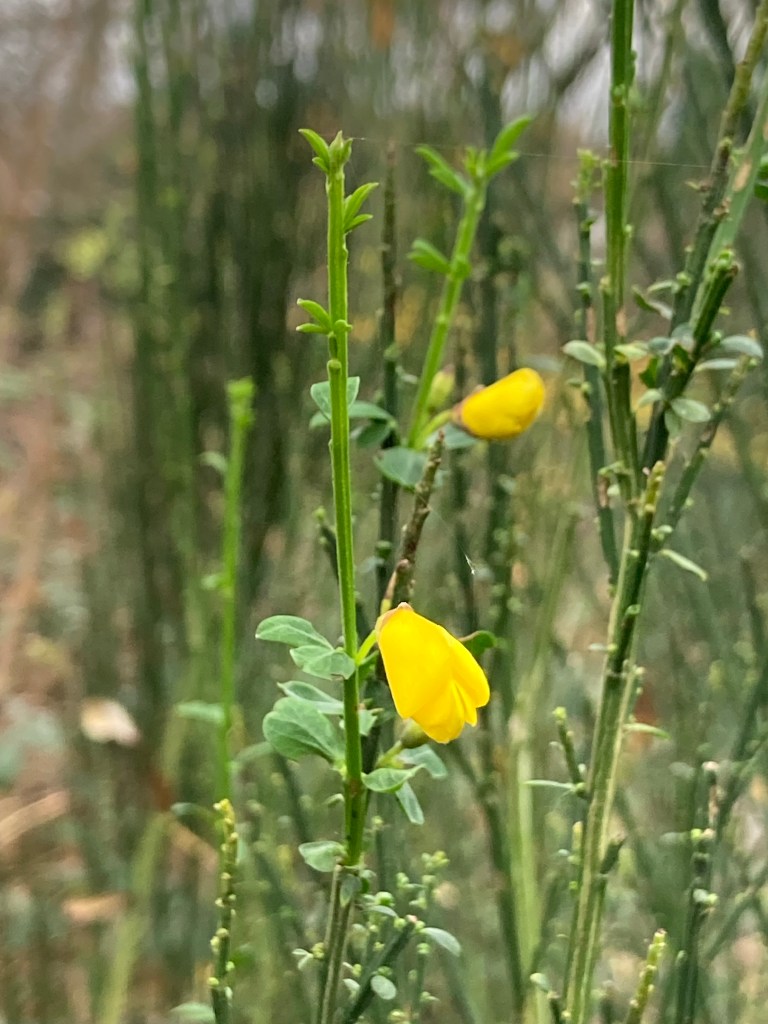
Broom in flower in December on Martins Hill. Taken by Andrea Deri.

We hope to continue monitoring the plants found in our parks over the coming months.

You can find out more about the national figures HERE.
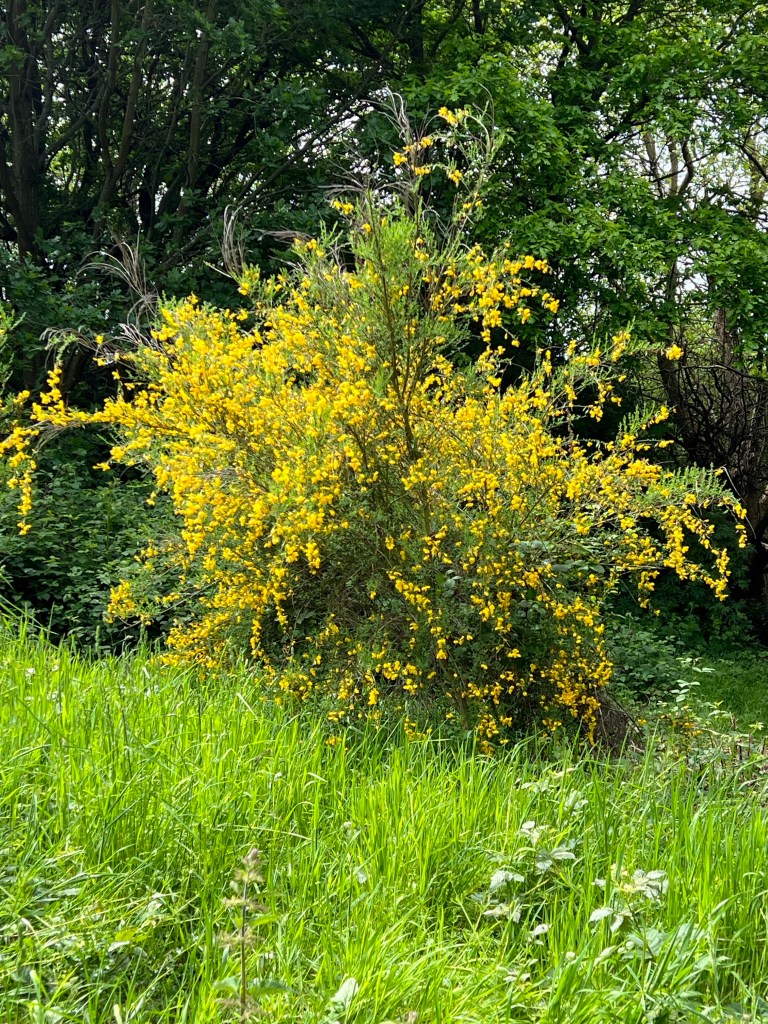
Broom time has arrived on Martins Hill

Broom in flower, Martins Hill

Along with the longer days and warmer weather the Broom, after which Bromley is named, comes into flower. For a few weeks we can enjoy it, unlike the common gorse which while spiky remains in flower for much of the year, and which is also found in this area.

Broom likes the acidic grassland of this site. While it vanished from here for a long time it was apparently reintroduced in the 1960’s

Sadly the broom is being encroached upon by rampant bramble, despite limited attempts to cut the latter back. The slightly better news is that young Broom plants are seeding elsewhere on these slopes. It would be very sad if this iconic plant disappeared from Bromley.

READ HERE to find out more about Martins Hill, the first public park in old Bromley, and what you can find there.

Plant Concern

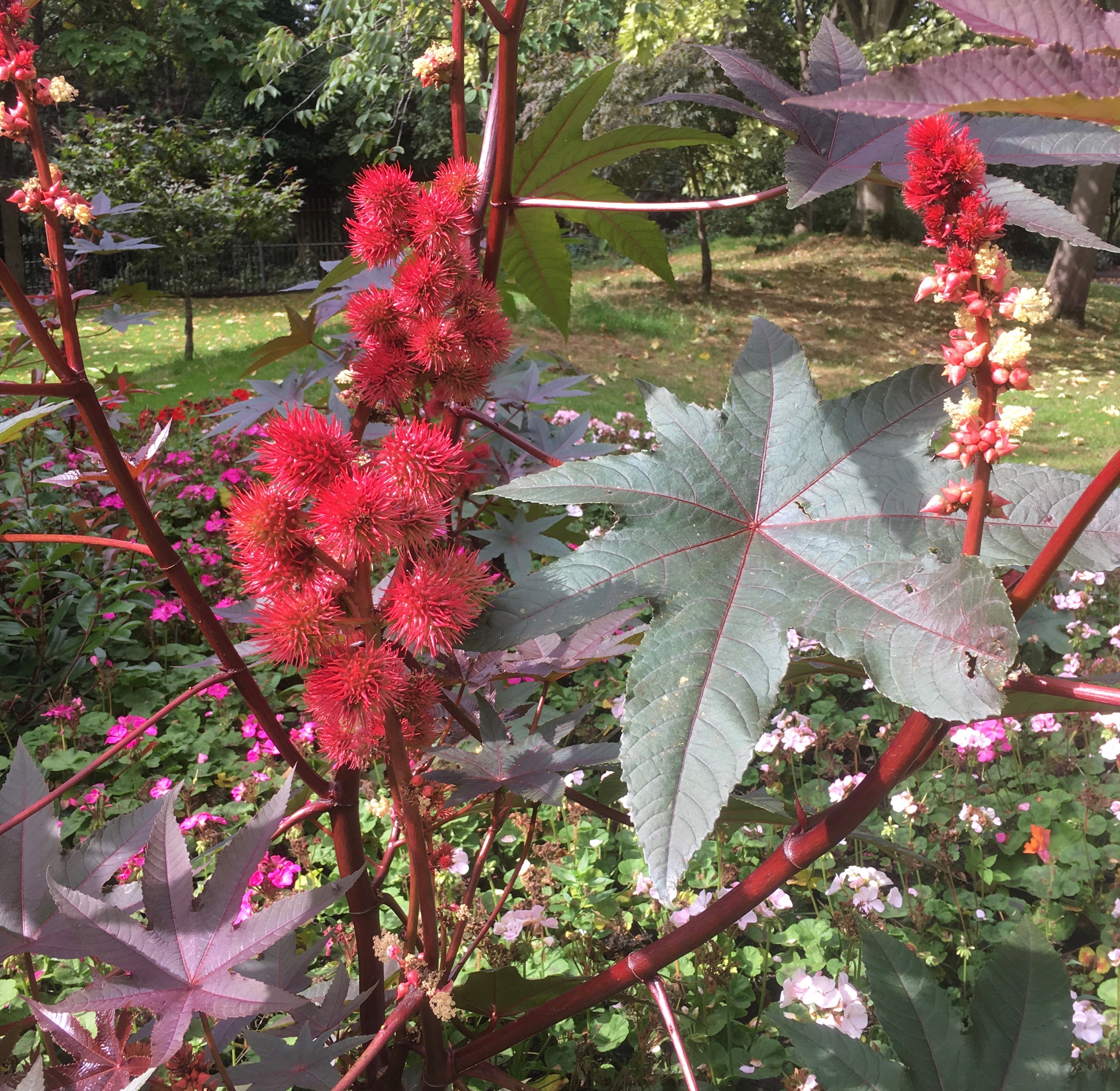
IMG_1713A member of the public has expressed to the Bromley Times concerns about the planting of Ricinus communis planting (see above), which they considered is poisonous. in Library Gardens.

Idverde, in partnership with the Council, have used this plant as a bedding plant for many years as indeed many organisations do across the country, including the RHS as we understand it.  Councillor Smith’s quote below, to the Bromley Times, outlines more about how this plant is used in a Bromley context.

Councillor Colin Smith, Executive Councillor for Environment said, “This plant has been used in Bromley for many years and is used extensively as a decorative plant in many areas across the country, with the plant removed at the end of the season when the particular display is finished which is entirely normal and safe practice.   If left in situ, in common with many other bedding plants, they could grow to a substantial size, which would make it unsuitable as a bedding plant but it could also be at that stage that the plant may produce seed and this is when there may be associated risk, long after the plant has been removed as a bedding plant.”