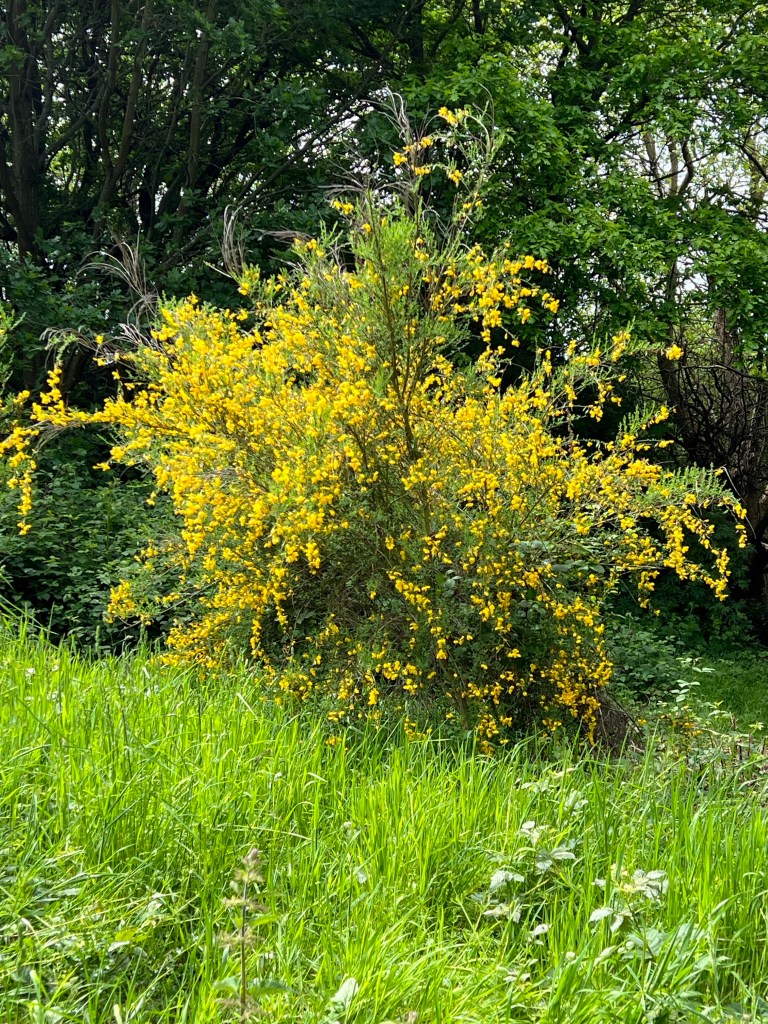
Broom time has arrived on Martins Hill

Broom in flower, Martins Hill

Along with the longer days and warmer weather the Broom, after which Bromley is named, comes into flower. For a few weeks we can enjoy it, unlike the common gorse which while spiky remains in flower for much of the year, and which is also found in this area.

Broom likes the acidic grassland of this site. While it vanished from here for a long time it was apparently reintroduced in the 1960’s

Sadly the broom is being encroached upon by rampant bramble, despite limited attempts to cut the latter back. The slightly better news is that young Broom plants are seeding elsewhere on these slopes. It would be very sad if this iconic plant disappeared from Bromley.

READ HERE to find out more about Martins Hill, the first public park in old Bromley, and what you can find there.
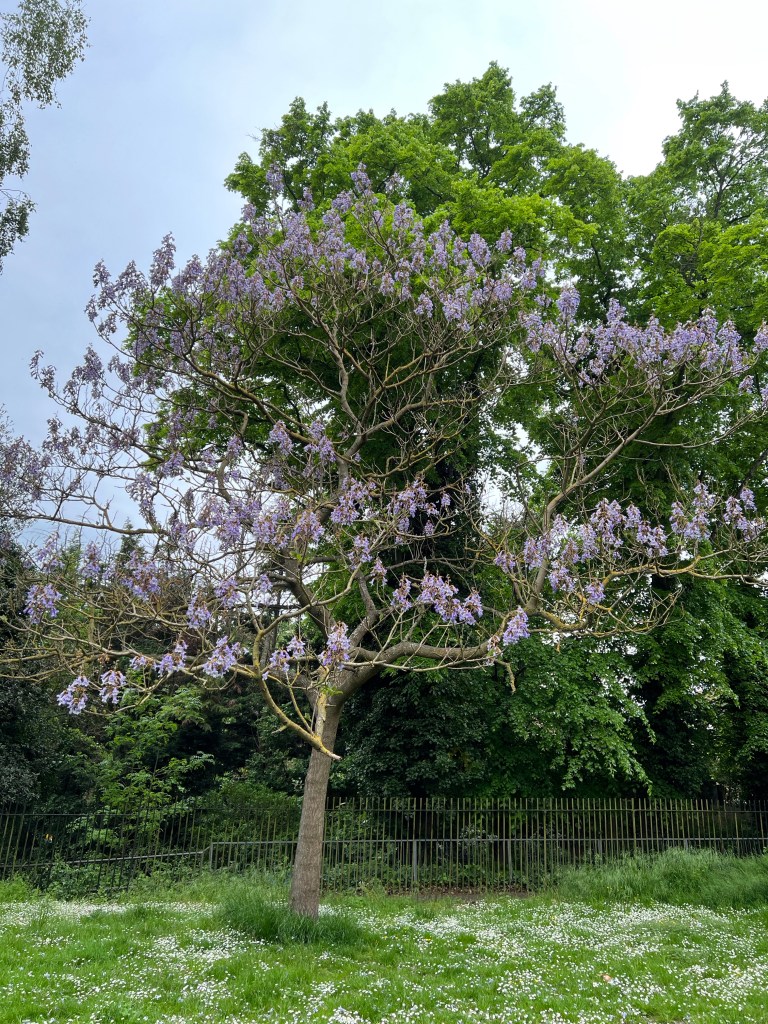
Foxglove tree in flower

Foxglove tree (Paulownia tomentosa)

With the recent loss of a favourite old tree (Holm Oak) it is good to see a young tree showing itself off nearby. This is the Paulownia, also known as the Foxglove Tree due to its large mauve bell shaped flowers. These come out before the leaves, and make a lovely sight at this time of year. This particular specimen is located near the Church Road entrance to Church House Gardens. There is another much older tree elsewhere in the park, but it wonky has a few flowers on it.

The trees in Church House Gardens are well worth looking out for. So why not see what you can spot when you next visit?

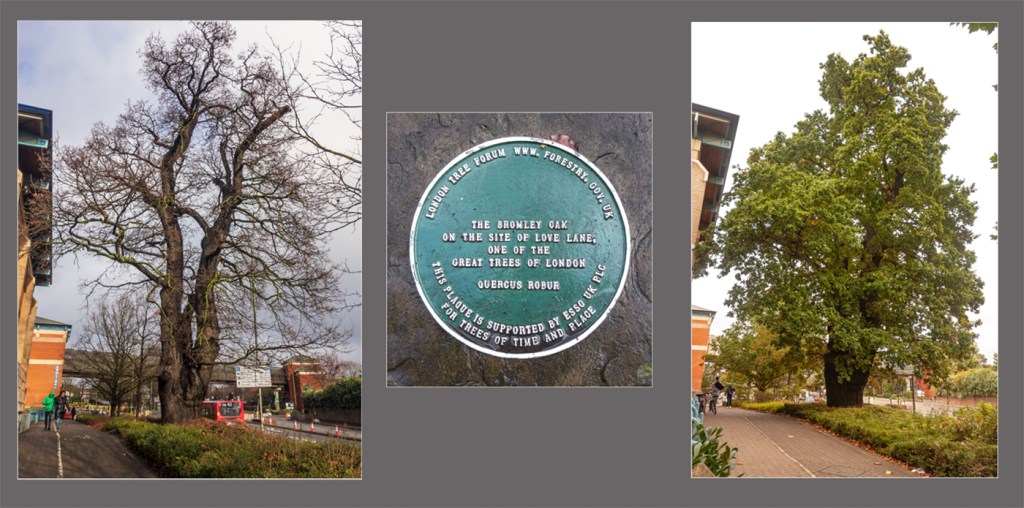
The Bromley Oak: a veteran still carrying on

Not many people take much notice of this venerable Oak Tree (Quercus rubor), now isolated on Kentish Way. As a result of building the dual carriageway, and the immediately adjacent Pavilion Sports Centre, its branches and roots were severely reduced, resulting in its rather smaller current appearance. The girth of the twin trunks however gives a clue to its long life, probably of some 300 years. As the plaque mentions it is one of the “Great Trees of London”

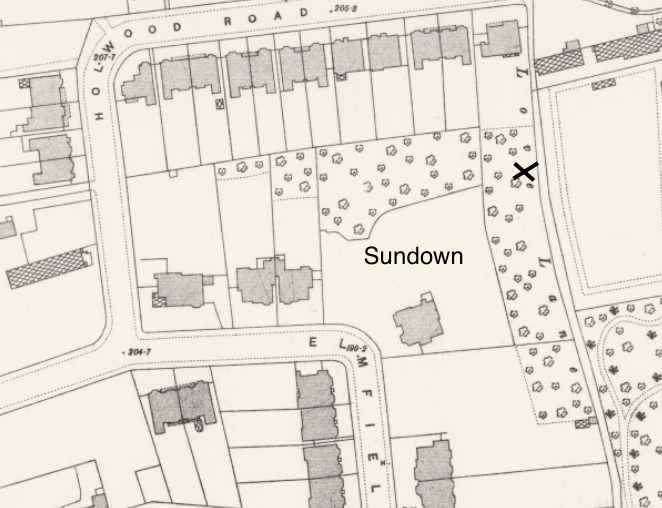
Originally part of the Bromley Lodge estate, in 1892 it was to be found in the garden of a large property in Elmfield Road called ‘Sundown’, occupied by a David Israel MA. Just over the wall from the garden was the historic Love Lane. The 1892 map below shows the site, with the approximate position of the Bromley Oak marked by a cross.

So the next time you walk past, please stop to look and admire it, a survivor of an older Bromley with the associated historic Love Lane.

Spring arrives on College Green

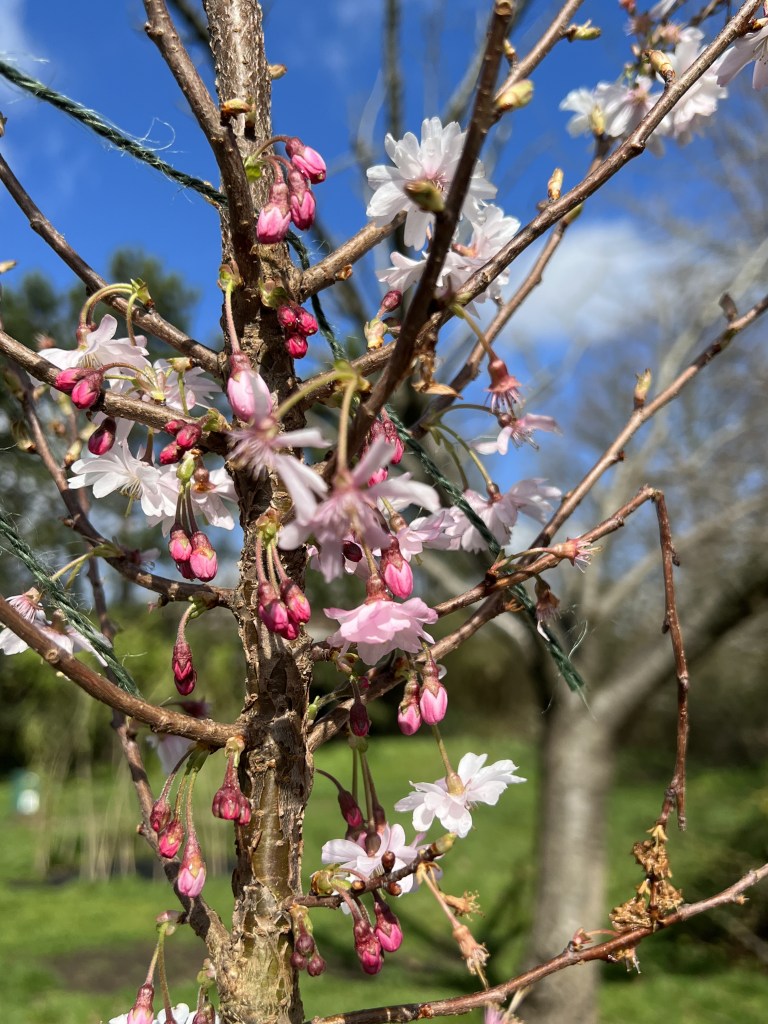
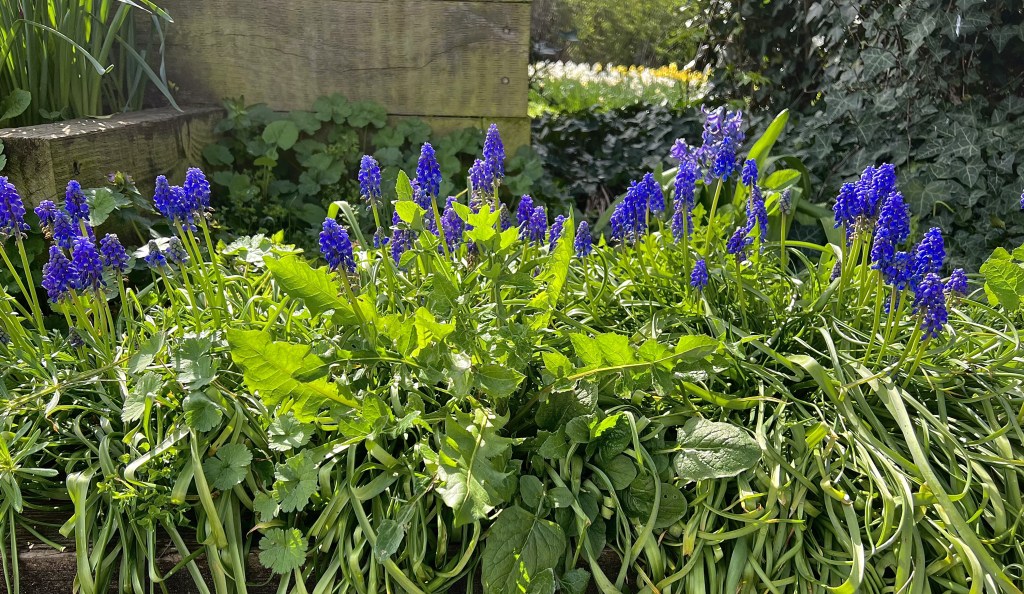
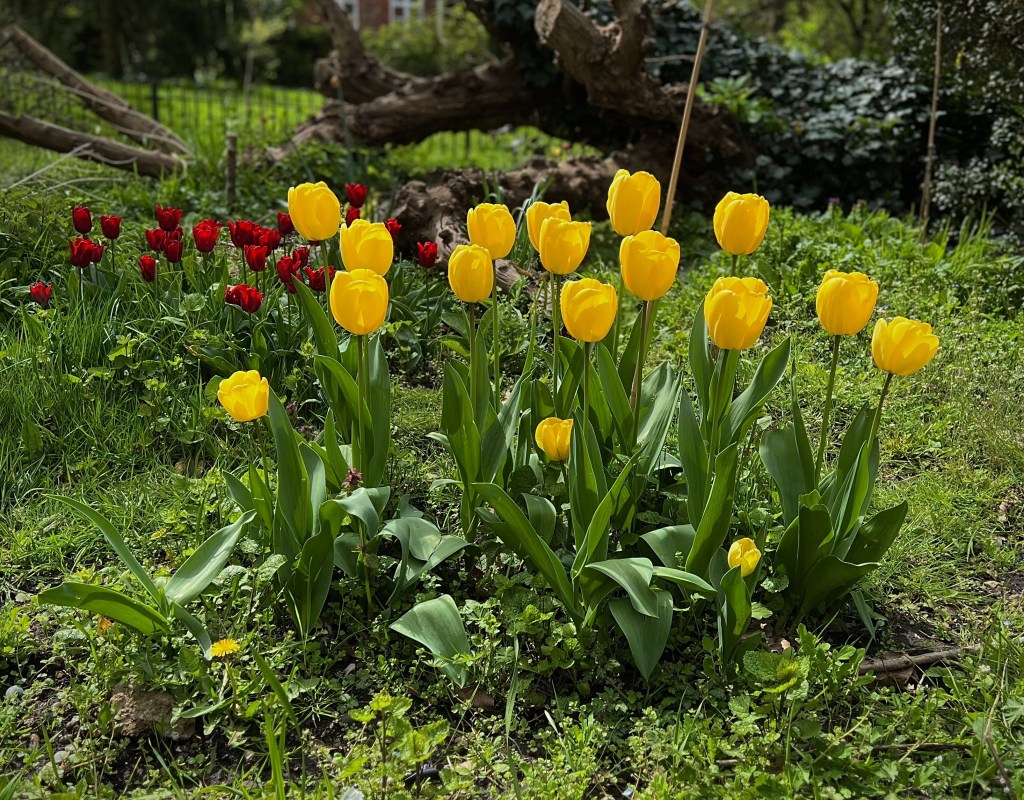
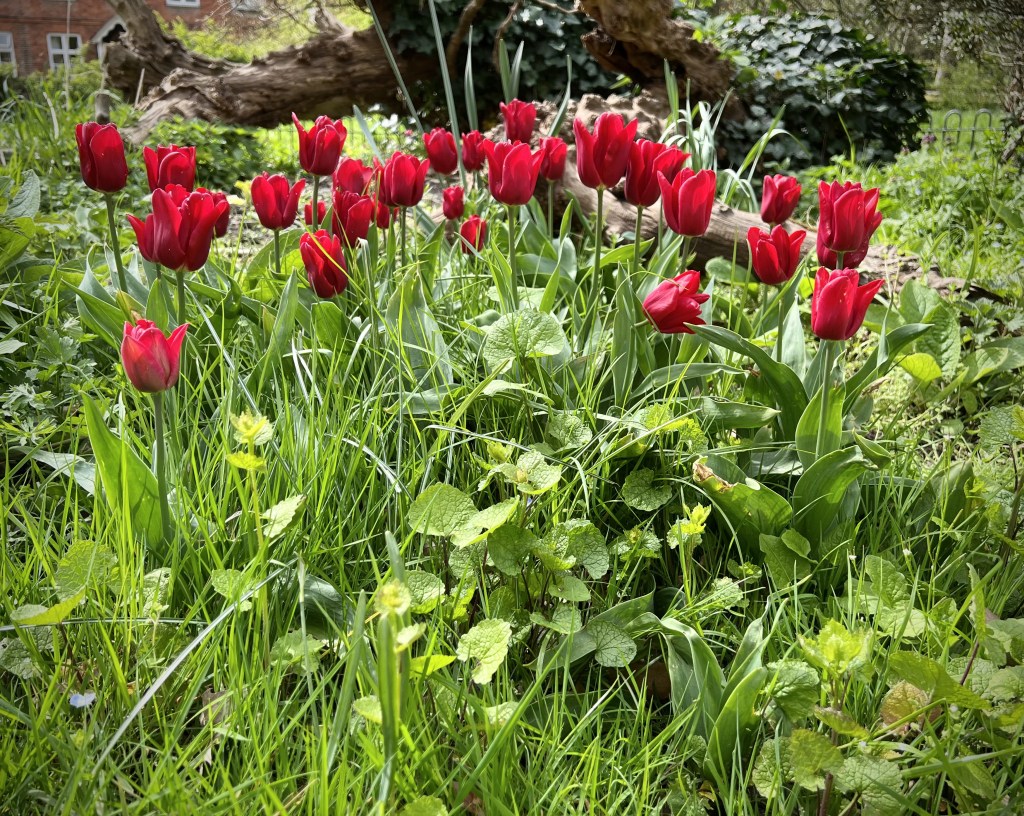
After a very wet March spring has arrived on College Green. While the daffodils are now ending flowering, tulips and hyacinths are now taking their place. Also our newly planted flowering cherry sapling was in bloom. Their colours cannot help but lift our spirit and encourage us to celebrate our local parks.

Fishing in Glassmill!

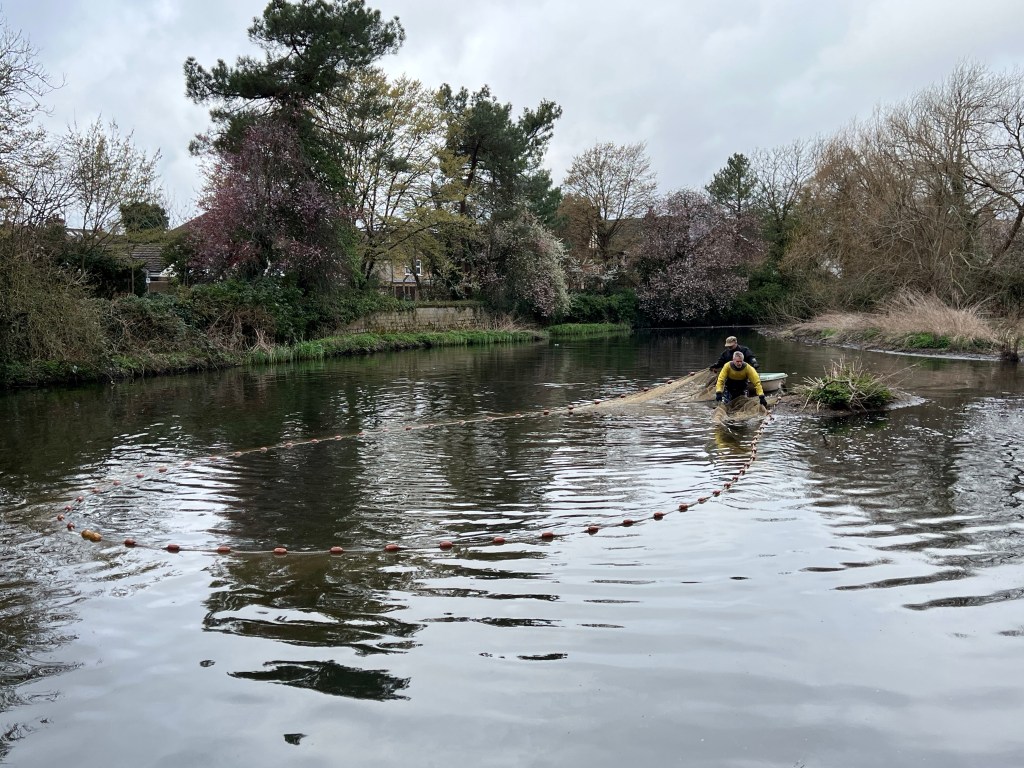
Netting the fish

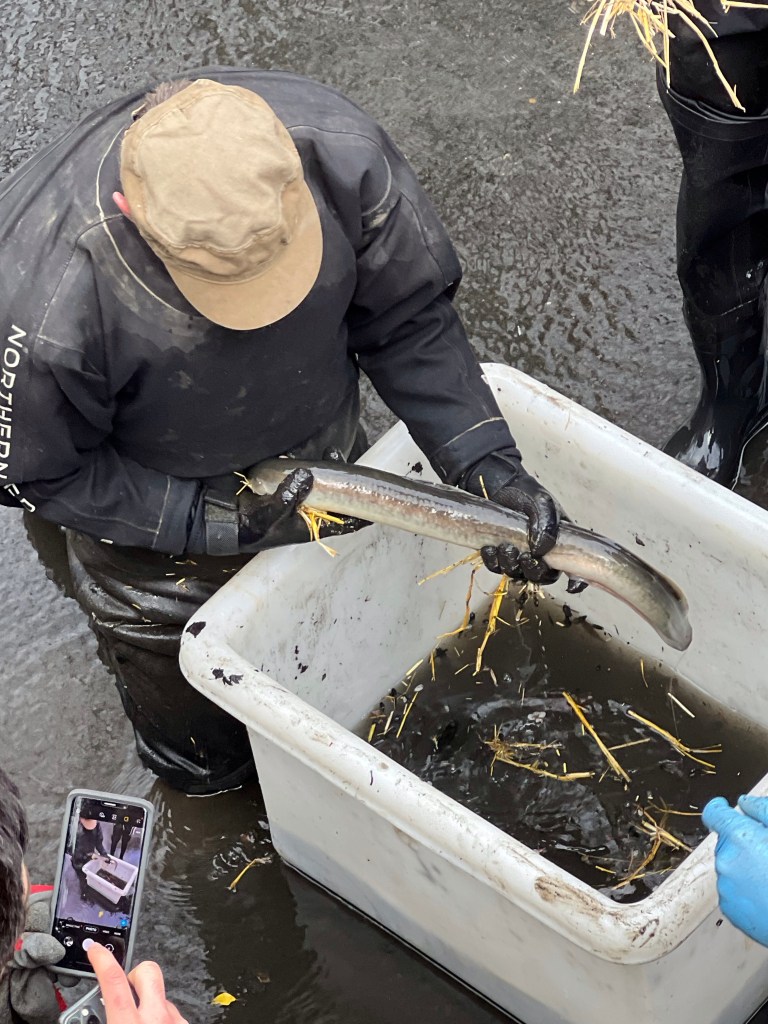
As part of the refurbishment project, on 21st March the water level in the pond was drastically reduced. Beforehand however a specialist contractor was on site to collect all the fish in the pond, they were recorded then released safely downstream. Altogether some 140 three-spined sticklebacks, 2 small roach and 3 eels, the largest being 79cm long, were collected.

Large eel caught

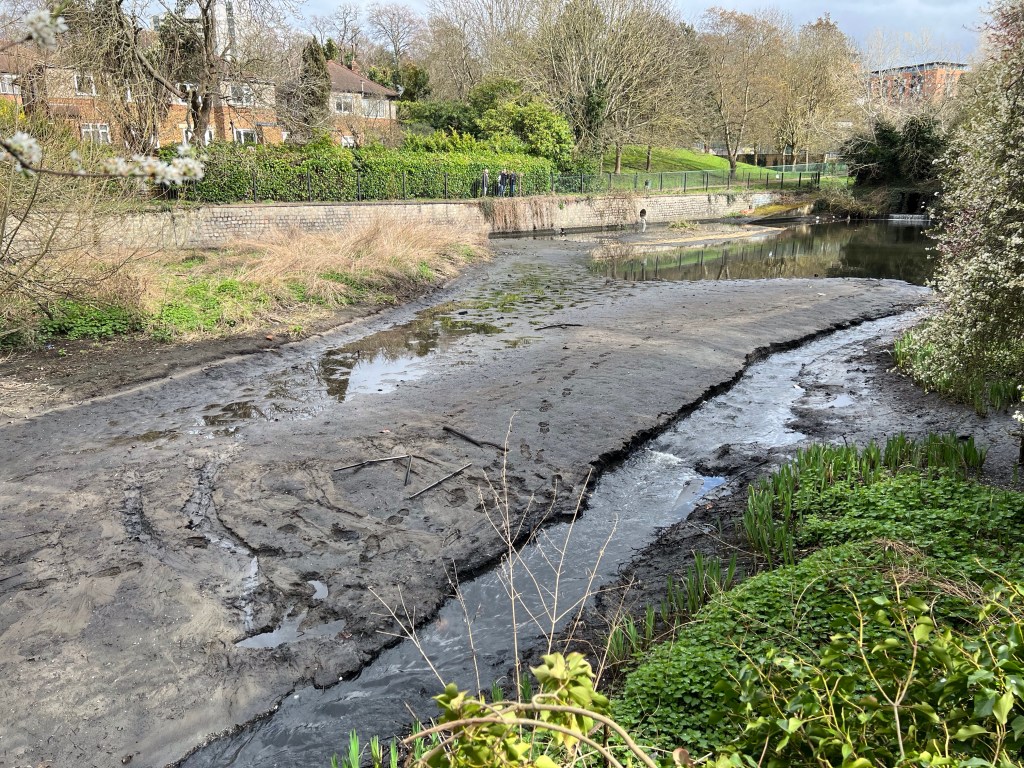
The water flow was carefully measured. Then with the weir boards removed the water level reduced rapidly at first, exposing more of the silt deposited over many years.

Exposed silt, with river channel bottom

The newly exposed silt now will be allowed time to dry out, before contractors are able to move in to excavate and reuse the silt to recreate a working river channel and a separate pond, that fish, eels etc can thrive in.